
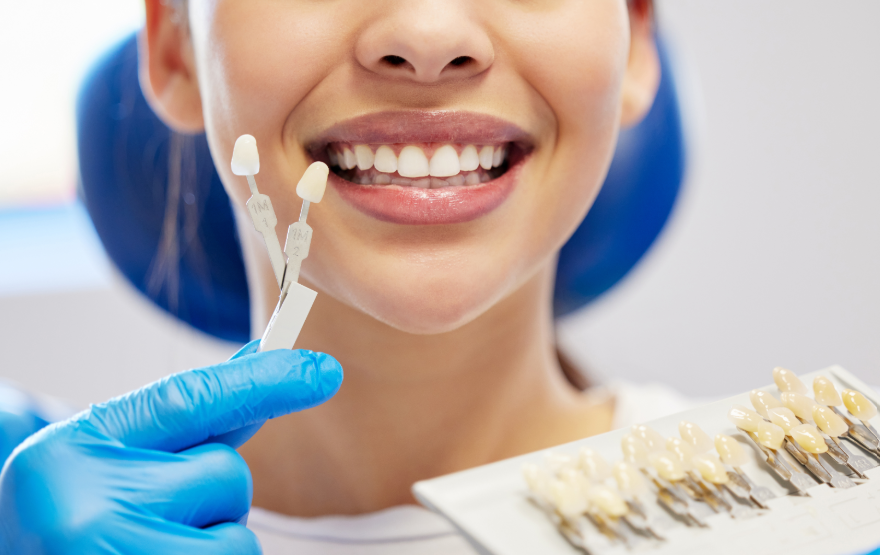
Veneers are a popular cosmetic dental treatment because they can dramatically improve the appearance of teeth affected by chips, discoloration, gaps, or uneven shapes. However, many patients wonder whether getting veneers will make their teeth sensitive.
The short answer is that some temporary sensitivity is normal after the procedure. Before veneers are placed, a very small amount of enamel is usually removed from the front surface of the teeth. This step helps ensure the veneers fit naturally and do not appear bulky. Since enamel acts as a protective barrier, removing even a thin layer can leave teeth temporarily more sensitive to hot and cold temperatures.
Fortunately, this sensitivity is usually mild and short-lived. For most people, it improves within a few days to a couple of weeks as the teeth adjust and the veneers settle into place.
What Sensitivity After Veneers Feels Like
Tooth sensitivity after veneers can vary from person to person. Some patients notice mild discomfort when drinking cold water or eating hot foods, while others may feel occasional sensitivity when brushing or breathing in cold air.
This reaction is often caused by the nerves inside the teeth responding to changes in temperature or pressure after enamel removal. The bonding process itself may also contribute to temporary irritation.
In most cases, the discomfort is manageable and gradually fades on its own. Over-the-counter toothpaste designed for sensitive teeth may help reduce symptoms during the adjustment period.
When Sensitivity May Be a Concern
While temporary sensitivity is common, severe or long-lasting discomfort is not considered normal. If sensitivity becomes intense, worsens over time, or continues for several weeks, it is important to contact your dentist.
Persistent sensitivity may indicate that a veneer is not fitting properly, the bonding material needs adjustment, or an underlying dental issue is present. Sometimes, a tooth that already had a crack, cavity, or weakened enamel before treatment may react more strongly afterward.
Grinding or clenching your teeth can also increase sensitivity and place extra pressure on veneers. If this habit is contributing to discomfort, your dentist may recommend wearing a nightguard to protect both your teeth and your restorations.
How to Reduce Sensitivity After Getting Veneers
There are several simple ways to help minimize sensitivity while your teeth recover after veneer placement.
Using toothpaste made for sensitive teeth can help calm irritated nerves and make eating and drinking more comfortable. Avoiding extremely hot or icy foods for the first several days may also reduce discomfort.
It is also important to maintain good oral hygiene habits. Brushing gently with a soft-bristled toothbrush and flossing daily will help keep your teeth and gums healthy without causing unnecessary irritation.
Most importantly, follow any aftercare instructions provided by your dentist. Every smile is unique, and your dentist can recommend the best ways to protect your veneers and keep you comfortable throughout the healing process.
For most patients, the benefits of veneers far outweigh the temporary adjustment period, leaving them with a beautiful and confident smile they can enjoy for years.
About the Practice
Dr. David Fried and Dr. Kenneth M. Fried of United Dental Centers of Merrilville deliver personalized dental care in a friendly and comfortable setting. The practice offers a wide range of services, including cosmetic dentistry, preventive care, restorative treatments, and veneers to help patients achieve healthy, confident smiles. Our team is dedicated to using modern techniques and compassionate care to create positive dental experiences for every patient.
Call us at (219) 980-4900 or schedule your appointment online.