
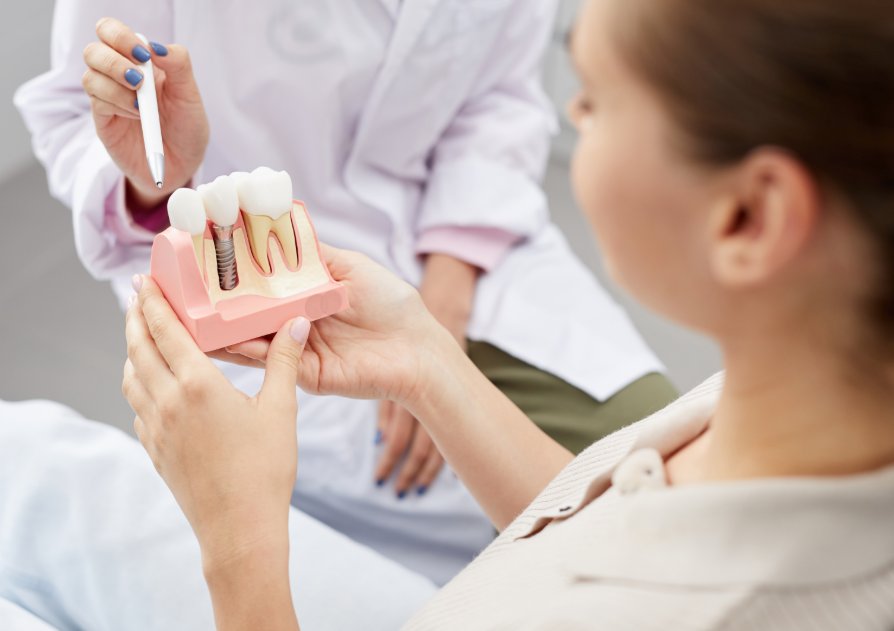
Living with diabetes doesn’t necessarily mean you have to give up on the idea of dental implants. While diabetes can affect how the body heals, many people with well-managed diabetes can successfully receive dental implants. The key is working closely with your dental and medical providers to make sure your condition is appropriately controlled before, during, and after treatment.
If you’re considering implants to replace missing teeth, understanding how diabetes may affect your candidacy can help you have a more productive conversation with your dentist.
How Does Diabetes Affect Dental Implants?
Dental implants require your jawbone and gums to heal around the implant after it is placed. This process, called osseointegration, helps create a stable foundation for the replacement tooth.
When blood sugar levels are poorly controlled, diabetes can interfere with the body’s ability to heal and fight infection. This may increase the risk of complications following implant surgery, including infection, delayed healing, and problems with the implant integrating with the surrounding bone.
That doesn’t necessarily make implants unsafe for people with diabetes. Instead, it means your dentist may want to evaluate your overall health and blood sugar control before recommending treatment.
Why Blood Sugar Control Matters
Keeping blood glucose within your recommended range is an important part of preparing for dental implant treatment. Consistently high blood sugar can affect circulation, immune function, and the body’s ability to repair tissues, all of which can influence healing.
Your dentist may ask about your diabetes management and medical history and may recommend consulting with your physician before proceeding. In some cases, improving blood sugar control before implant placement can make treatment safer and improve the chances of successful healing.
It’s important not to change medications or diabetes treatment on your own. Your healthcare providers can help you determine the safest approach.
How Can You Improve Your Chances of Success?
If you have diabetes and are considering dental implants, there are several steps you can take to support a successful outcome.
First, follow the diabetes-management plan provided by your healthcare team. Keeping your blood sugar controlled is one of the most important things you can do.
Good oral hygiene is also essential. Brushing twice a day, cleaning between your teeth, and keeping up with professional dental visits can help reduce the risk of gum disease and infection. Healthy gums provide a better environment for implant treatment.
Your dentist will also evaluate your jawbone, gums, existing teeth, and overall oral health. If gum disease or significant bone loss is present, those concerns may need to be addressed before implant placement.
Finally, follow your dentist’s post-operative instructions carefully. Attending follow-up appointments and maintaining good oral hygiene during healing can help your implant remain healthy.
Are Dental Implants Right for You?
There is no single answer for every patient with diabetes. Your individual health, blood sugar control, oral health, bone quality, and healing history all play a role in determining whether dental implants are appropriate.
A diabetes diagnosis does not automatically disqualify you from implant treatment. With careful planning, proper monitoring, and good communication between your dental and medical providers, implants may still be a viable option for replacing missing teeth.
If you have diabetes and are interested in dental implants, the best place to start is with a personalized evaluation.
About the Practice
UDC Merrillville provides comprehensive dental care, including dental implant treatment for patients who are looking for a long-term solution for missing teeth. Dr. David Fried and Dr. Kenneth M. Fried take an individualized approach to treatment planning, evaluating each patient’s oral health and circumstances when determining appropriate care. Patients considering implants can work with the dental team to discuss their goals, health considerations, and available treatment options.
Call us at (219) 980-4900 or schedule your appointment online.